Community Cat vs. Stray Cat
Have you spotted a cat wandering through your neighborhood lately? Outdoor cats are a common sight in many neighborhoods. However, not every cat you see is a lost pet. Knowing the difference between a stray and a community cat is the best way to ensure every animal gets the right kind of care.
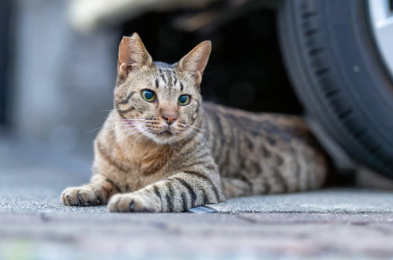
Understanding the Stray Cat
A stray cat is a domestic pet that has become lost or was abandoned by its owners. These cats were once socialized to live with people, so they usually display behaviors that reflect a bond with humans. A stray cat might approach you for food, make eye contact, or even meow at you to get your attention.
Stray cats often struggle to survive on their own because they are used to being fed by people. They may look thin, dirty, or disheveled. The good news is that with time and patience, most stray cats can be successfully reintroduced to a home environment and become indoor pets once again.
Understanding the Community Cat
"Community cat" is a term used to describe unowned, free-roaming domestic cats that live outdoors and are generally not socialized to people These are cats that may have been born outdoors or have lived outside for so long that they are no longer socialized to humans. Unlike strays, community cats are usually afraid of people. They will typically hide or run away if you try to approach them. Due to this fear, most are not suitable to be household pets.
Interestingly, community cats often look healthier and better groomed than strays because they are experts at outdoor survival. One key physical sign to look for is an "ear tip." A straight cut across the top of one ear is a universal sign that the cat has already been trapped, fixed, and vaccinated by a local group.
How to Help Stray Cats in Our Area
If you find a friendly stray, your primary goal should be to get them back to their family. You should first check for a collar or ID tags if the cat allows you to get close. The next best step is to bring the cat to a local vet where they can scan for a microchip.
You can also help by spreading the word online. Post photos on local "Lost and Found" Facebook groups or neighborhood apps like Nextdoor. If an owner cannot be found after a few days, please contact the DCSPCA intake manager to discuss the next steps for bringing the cat into our care.
How to Help Local Community Cats
Community cats are already "at home" in the outdoors. They do not want to live in a house, so the most helpful thing you can do is support their health and safety through Trap-Neuter-Return (TNR). This is the most humane way to manage cat colonies because it prevents new kittens from being born while keeping the adults healthy. Attempting to house truly unsocialized community cats indoors or in cages can sometimes lead to severe stress, illness, or self-injury due to confinement stress. Trap-neuter-return and outdoor support systems are often the more humane option for these cats.
TARA offers low-cost spay and neuter services specifically to help residents manage these local colonies. During the cold New York winters, you can also provide a simple insulated shelter to help them stay warm. If you choose to feed them, keep the feeding area clean to remain a good neighbor to those around you.
If you're feeling handy, you can build your own feral cat shelter using this step-by-step DIY guide from Alley Cat Allies.
Why Your Help Matters
Misidentifying a cat can lead to unnecessary stress for the animal. A community cat brought into a shelter can become terrified because they aren't used to being indoors, while a stray cat left outside might struggle to survive the elements. By correctly identifying your neighborhood felines, you help the DCSPCA keep Dutchess County a safe and compassionate place for all animals.
More community cat resources
Information in this article was sourced from Best Friends Animal Society and the ASPCA.


Una página informativa gana mucho valor cuando mantiene sus datos organizados. La lotería nacional genera consultas constantemente, y disponer de fechas y resultados claros hace que la navegación sea mucho más cómoda.